

The real estate industry is constantly evolving, with the help of technology in streamlining operations, enhancing customer experience, and improving management efficiency. Here is a list of notable software solutions that are expected to shape the real estate industry in 2025, categorized by their primary use cases:
1. Property Management Software
These tools help real estate managers automate daily operations, track maintenance requests, and simplify the rent collection.
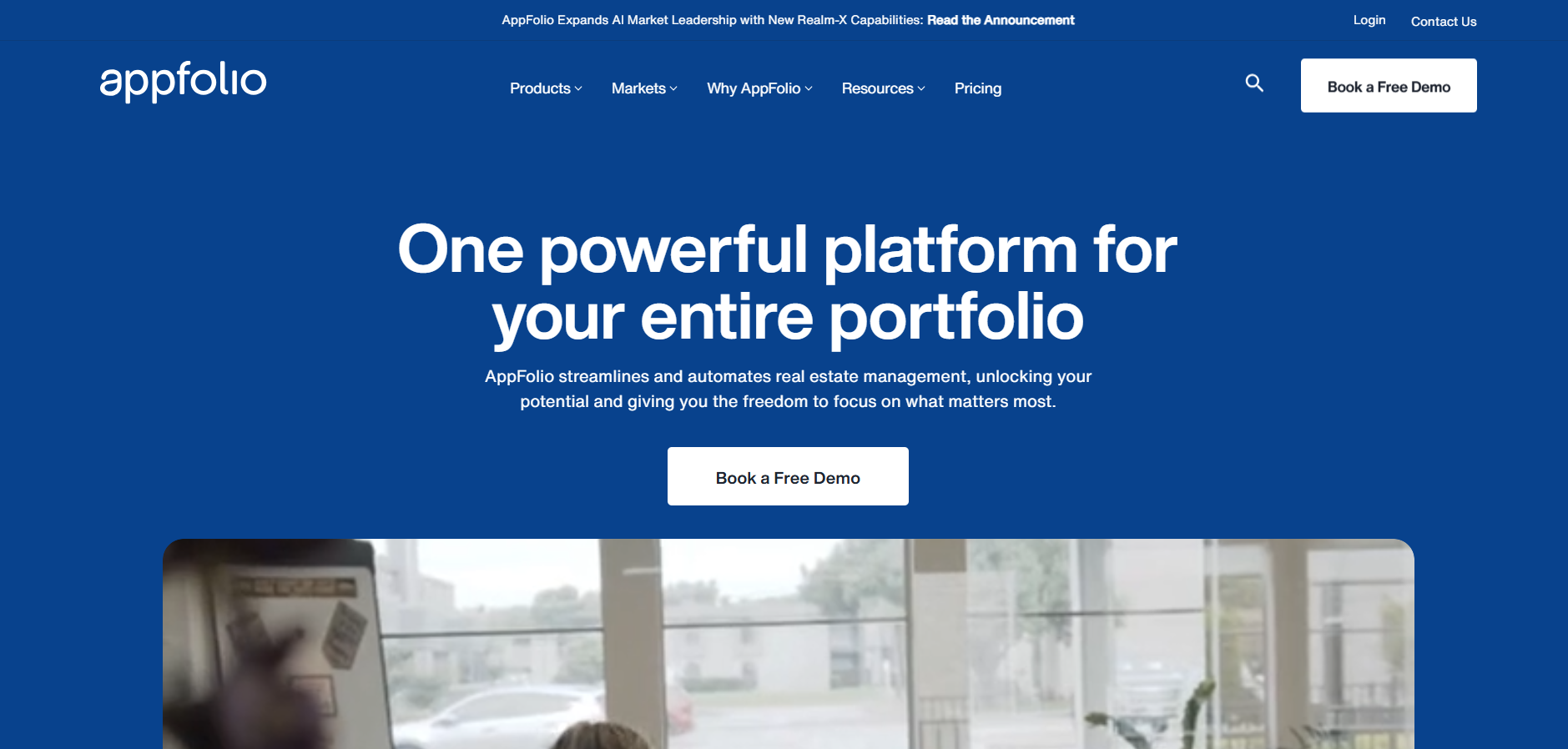
AppFolio
-
AppFolio is a property management platform that helps landlords with
-
Offering SaaS applications and services to the real estate industry.
-
Online rent payments, maintenance tracking, and tenant communications.
-
It also offers accounting and marketing features for efficient property management.
Yardi Systems
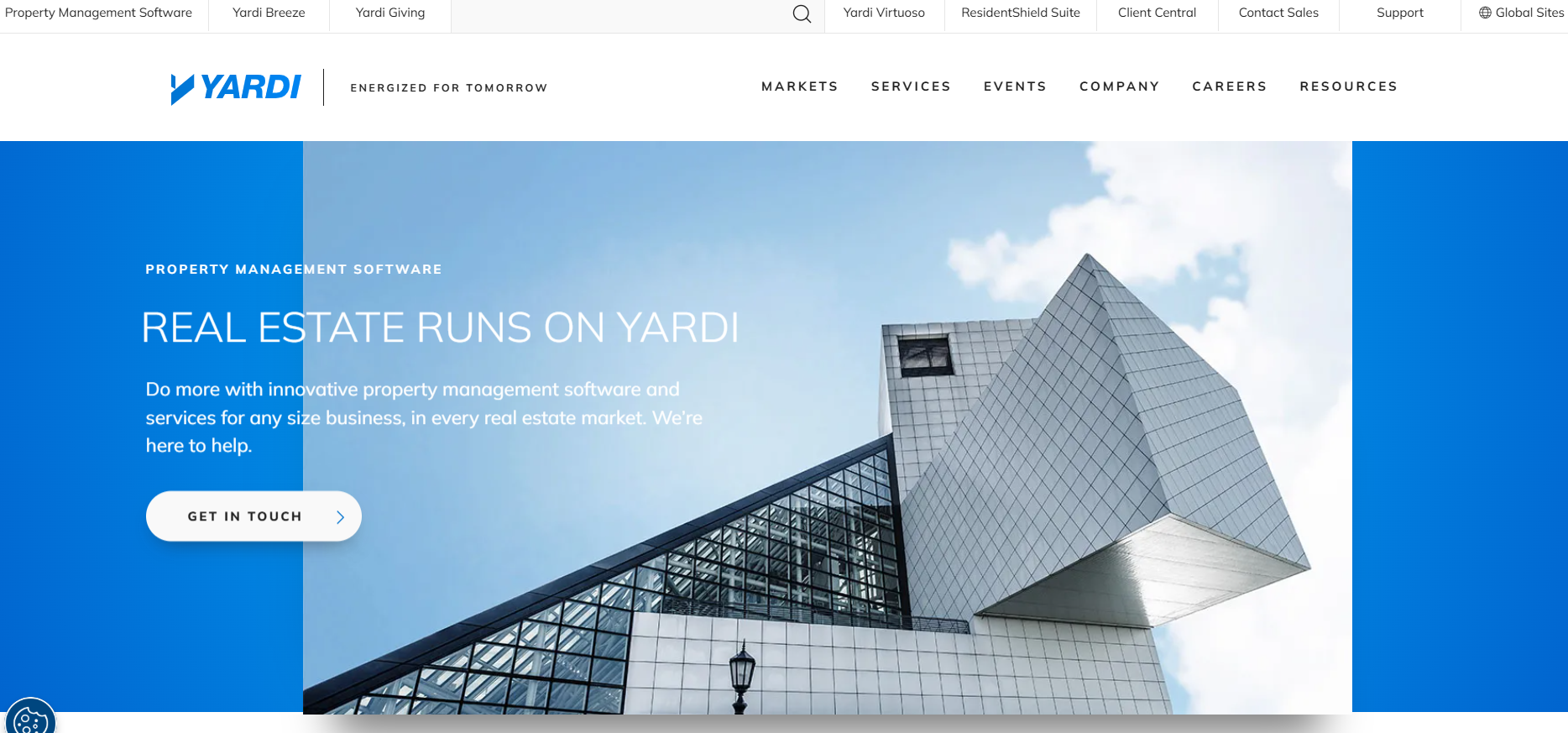
A robust enterprise solution for:
-
Property management, offering tools for accounting, lease management, and tenant communications, tailored for large real estate companies.
-
It is an investment, asset investment, asset, and property management software vendor for the real estate industry.
2. Customer Relationship Management (CRM) Systems
CRM systems help real estate developers and channel partners to manage client relationships, track interactions, and streamline communication from initial contact to handover.
PropFlo
-
A Real Estate CRM designed specifically for the real estate developers and channel partners to automate their entire sales cycle.
-
Offers solutions like lead management, marketing automation, sales management, and mobile CRM to improve client engagement.
-
Manage leads and customer interactions with an AI-powered CRM system.
-
Keep track of available units, pricing, and occupancy status in real-time.
.jpg)
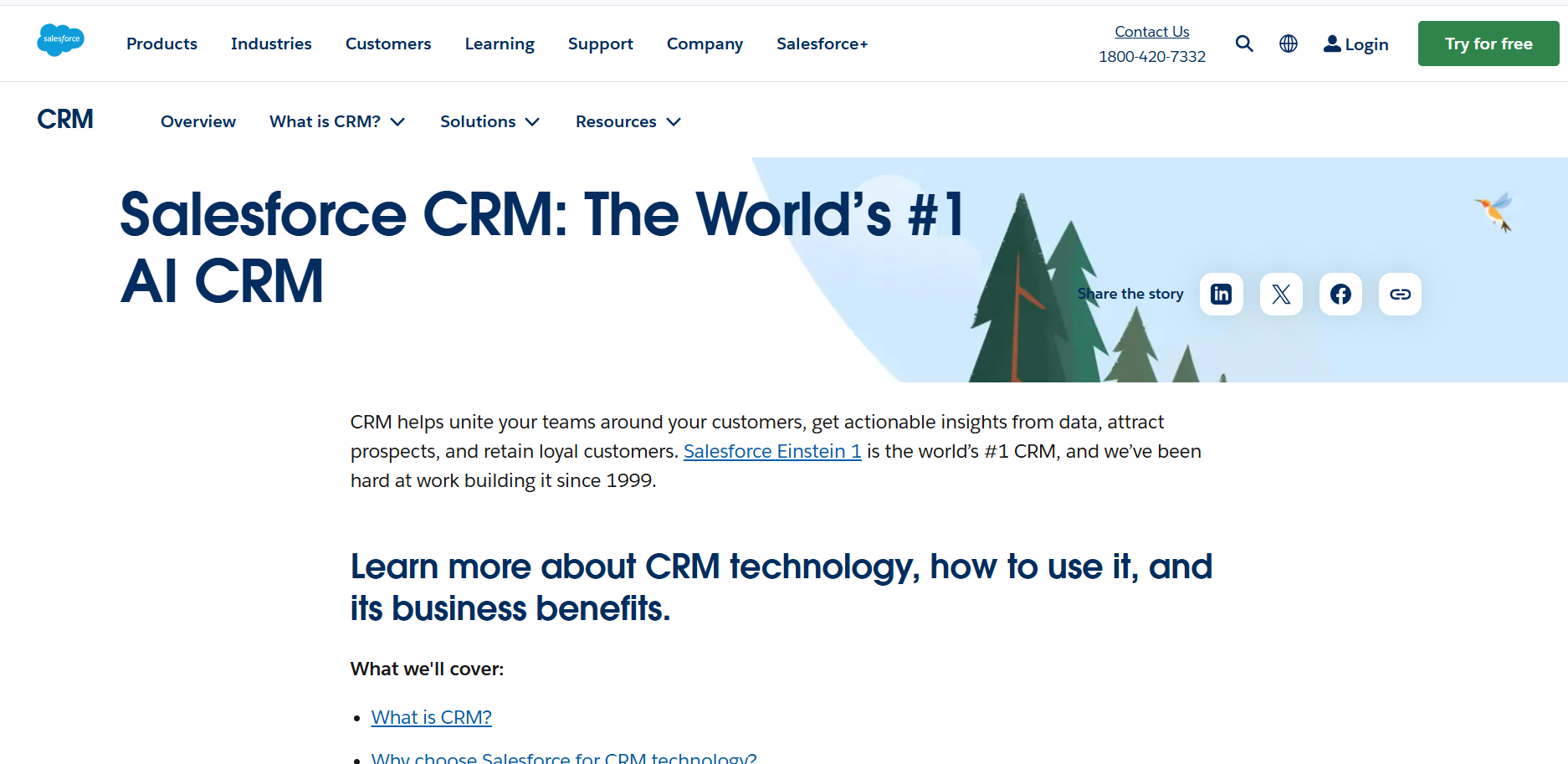
Salesforce
-
A CRM solution specifically designed for real estate professionals, to help manage client data, track property preferences, and automate marketing campaigns.
-
Provides the ability to run powerful marketing automation for email marketing, social media engagement, and customer journey management.
-
Initial setup and configuration may require technical expertise and time.
3. Real Estate Investment Management Software
These tools help investors and property managers handle portfolios, analyze cash flow, and track investment performance.
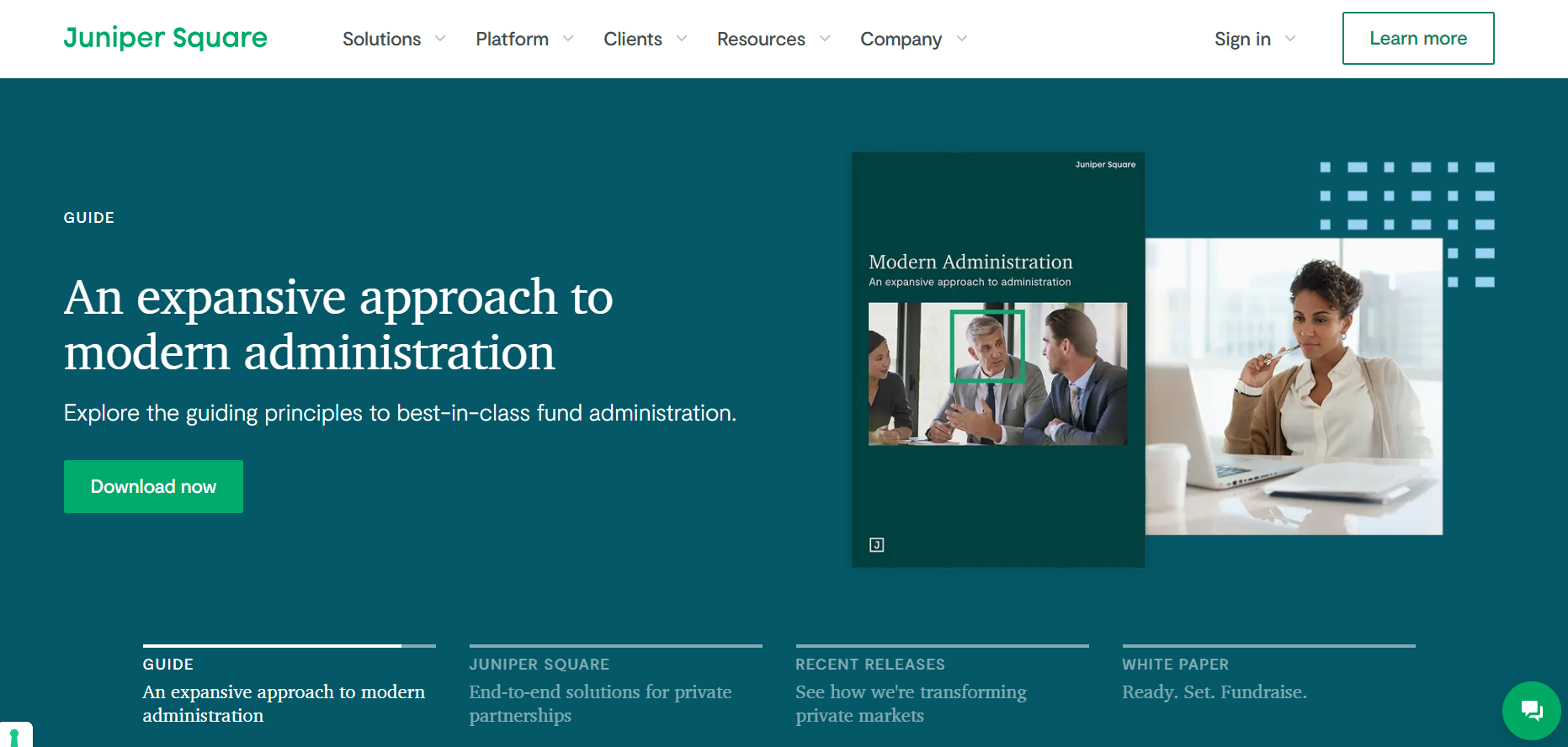
Juniper Square:
-
A cloud-based investment management platform for real estate investment firms to track portfolios, manage investor relationships, and automate reporting.
-
GPs and LPs, with capabilities allowing them to connect and integrate freely and safely to investment partners along a shared, unified view encompassing data management, capital activity, and controls on security.
-
Juniper Square integrates with other software, such as accounting systems and CRM tools, to help companies create a seamless workflow across platforms.
PropertyNest:
-
A real estate investment platform that helps investors track and manage their portfolios with tools for performance monitoring, analysis, and reporting.
-
Easily manage multiple properties with a single platform.
-
Tenants can submit maintenance requests, and property managers can track, assign, and resolve them.
-
Provides tools to track income, expenses, and financial reports for property owners and managers.
-
Access and manage property details from anywhere via mobile devices

4. Virtual Tour & 3D Visualization Software
These tools enable property listings to feature immersive virtual tours, 3D renderings, and interactive floor plans.
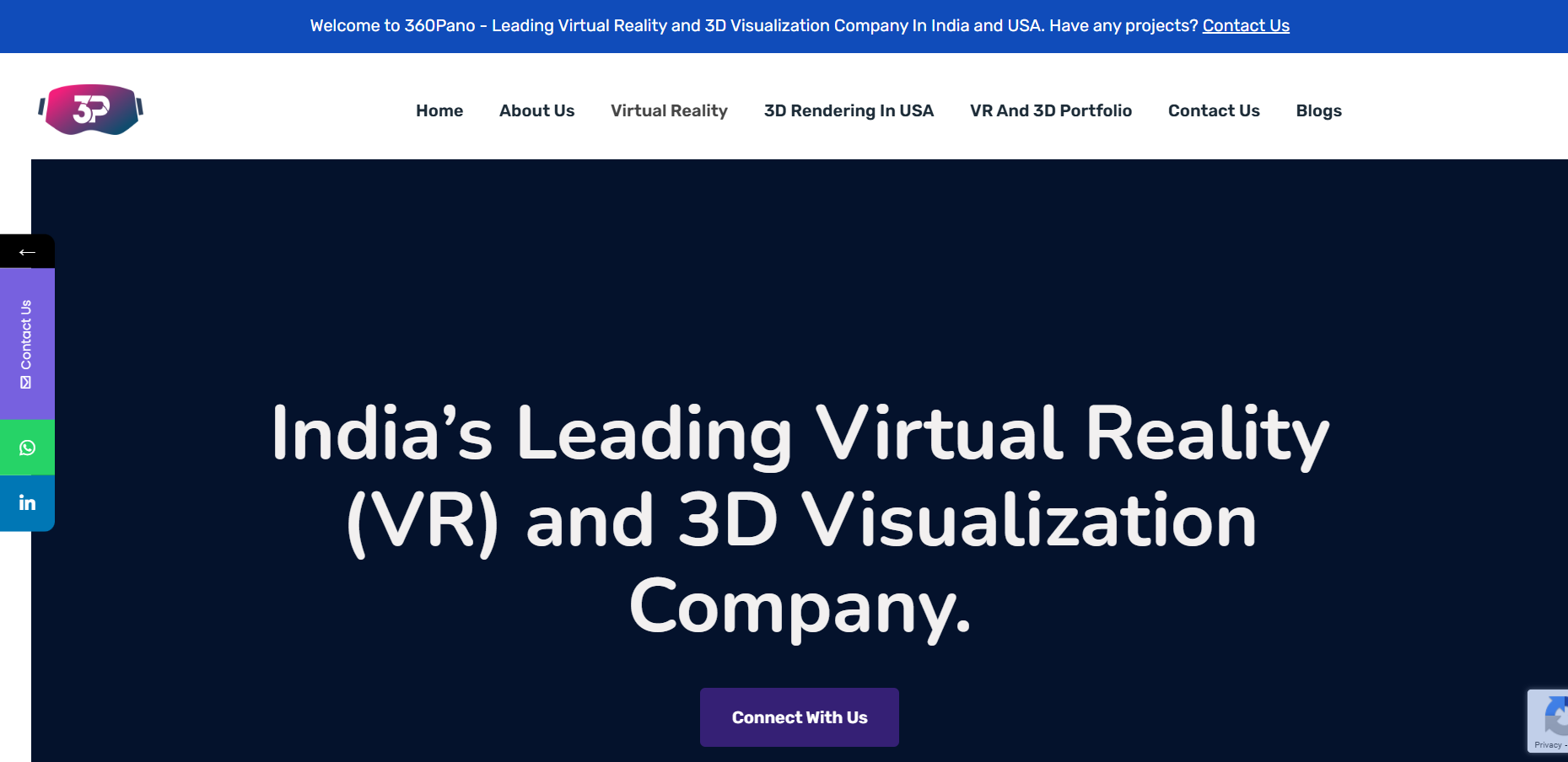
360pano: A virtual tour software that provides the 360 view of properties best suited for use by real estate agents and property managers to show properties remotely.
-
Users can take these panoramic pictures using a smartphone, camera, or professional equipment and upload them to create the tour.
-
You can add interactive hotspots to 360-degree images, allowing viewers to click on various areas of the space to view more details, photos, or videos.
-
Users can easily share virtual tours via email, social media, or by embedding them directly into their website or real estate listing page.
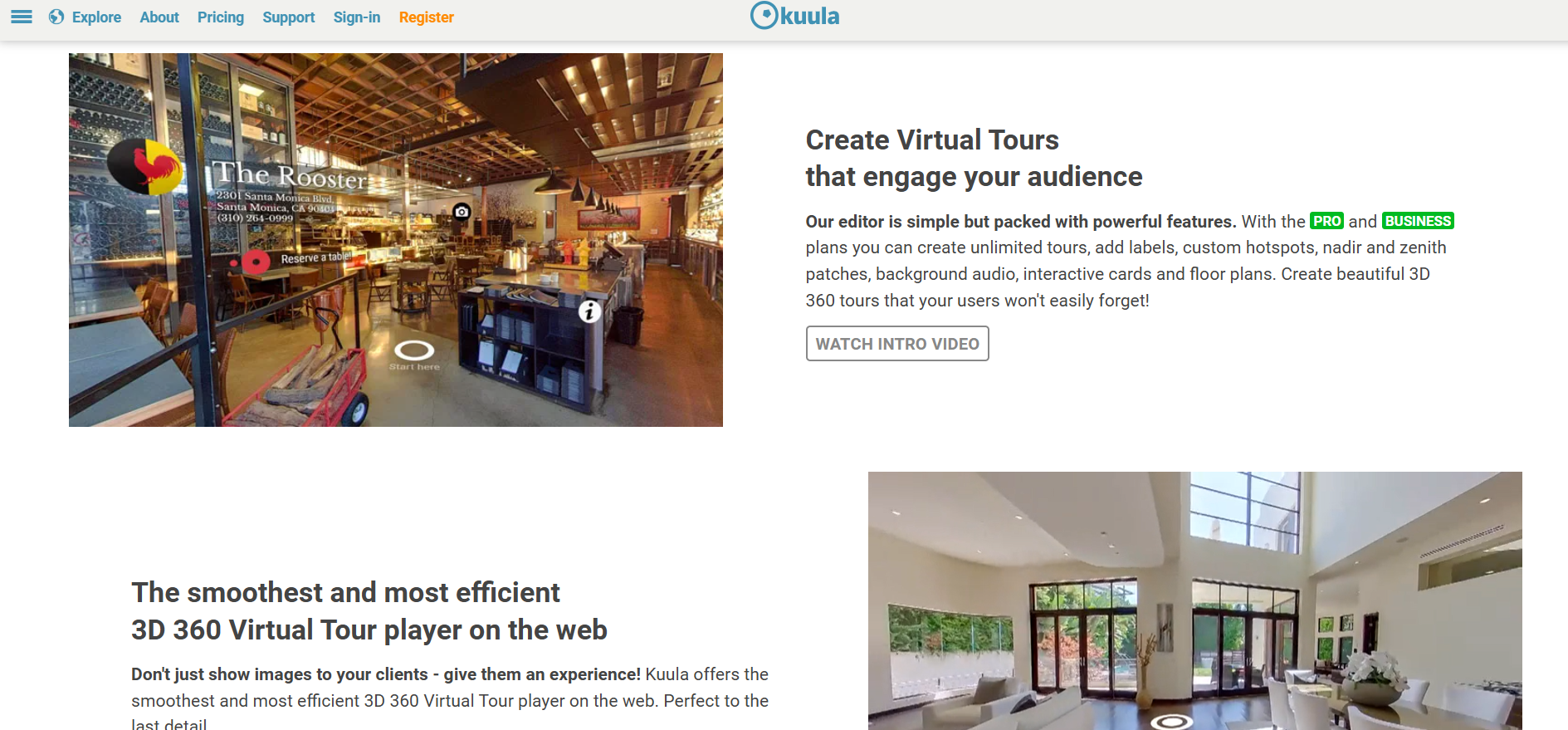
Kuula: a virtual tour and 360-degree photo platform designed for real estate professionals to create immersive, interactive virtual tours of properties.
-
Create stunning virtual tours using 360-degree photos, allowing viewers to explore properties remotely.
-
Integrates with various listing platforms and websites, allowing you to embed virtual tours directly into property listings.
-
The platform provides detailed analytics on the performance of virtual tours, such as how many people viewed the tour, the average time spent on the property, and more
5. Real Estate Listing Platforms
Listing platforms allow buyers, sellers, and renters to find and manage properties, often including tools for comparisons and evaluations.
Zillow Premier Agent:
-
This is a listing and lead generation tool that allows the real estate agents to reach the homebuyers and sellers with advertising opportunities that increase visibility.
-
Leads are matched to agents based on their profile, location, and expertise.
-
Personalize the agent profile to share experience, credentials, and previous reviews from satisfied clients.
-
Collect and display reviews and testimonials by customers on the profile.

6. Document Management & E-Signature Software
These solutions streamline contract signing, document handling, and legal paperwork in real estate transactions.
DocuSign: The leading e-signature platform, allowing for the digitization of the signing of real estate contracts, enables faster closures with much lesser paperwork.
-
Sign documents, anywhere, at any time using any device.
-
Store and publish your documents securely in the cloud.
-
Track the status of the document in real time, like who has signed and who needs to sign.
-
Set up automatic reminders for pending signatures.
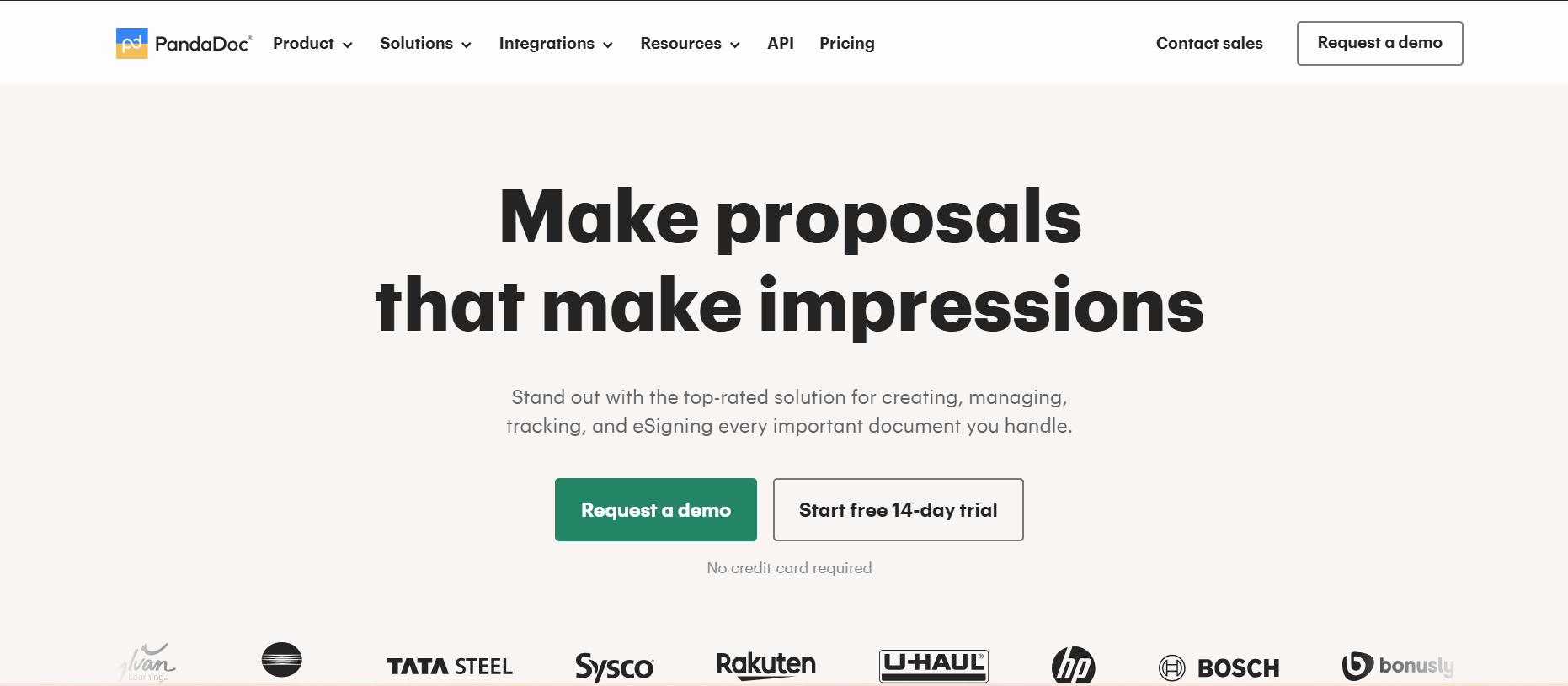
PandaDoc: is an all-in-one document automation and eSignature platform that helps organizations
-
Creating, distributing, and managing digital documents such as contracts, proposals, quotes, and agreements.
-
It is highly used for the automation of document workflows, for better efficiency, and to collaborate better.
7. Real Estate Accounting & Financial Software
These tools assist in managing real estate investment financials, real estate property managers, and estate agents.
QuickBooks (Real Estate Edition): A variant of QuickBooks tailored for real estate professionals that manages income, expenses, and taxes.
-
One of the most widely applied and most sought-after accounting software solutions is quite popular with small to medium-sized businesses.
-
Detailed financial reports, including Profit & Loss, Balance Sheets, and Cash Flow Statements, and an ad-hoc reporting framework to accommodate business requirements.

Wave: Wave Accounting Software offers free, web-based accounting which is ideal for small businesses and freelancers among others.
-
Track income and expenses, categorize transactions automatically, and produce financial reports like Profit & Loss and Balance Sheets.
-
Professional invoice creation and sending, custom invoice templates, and online payment by credit card or bank transfer
8. Construction Management Software
Designed for real estate developers and construction firms, these tools streamline project management and budgeting.
Buildertrend:
-
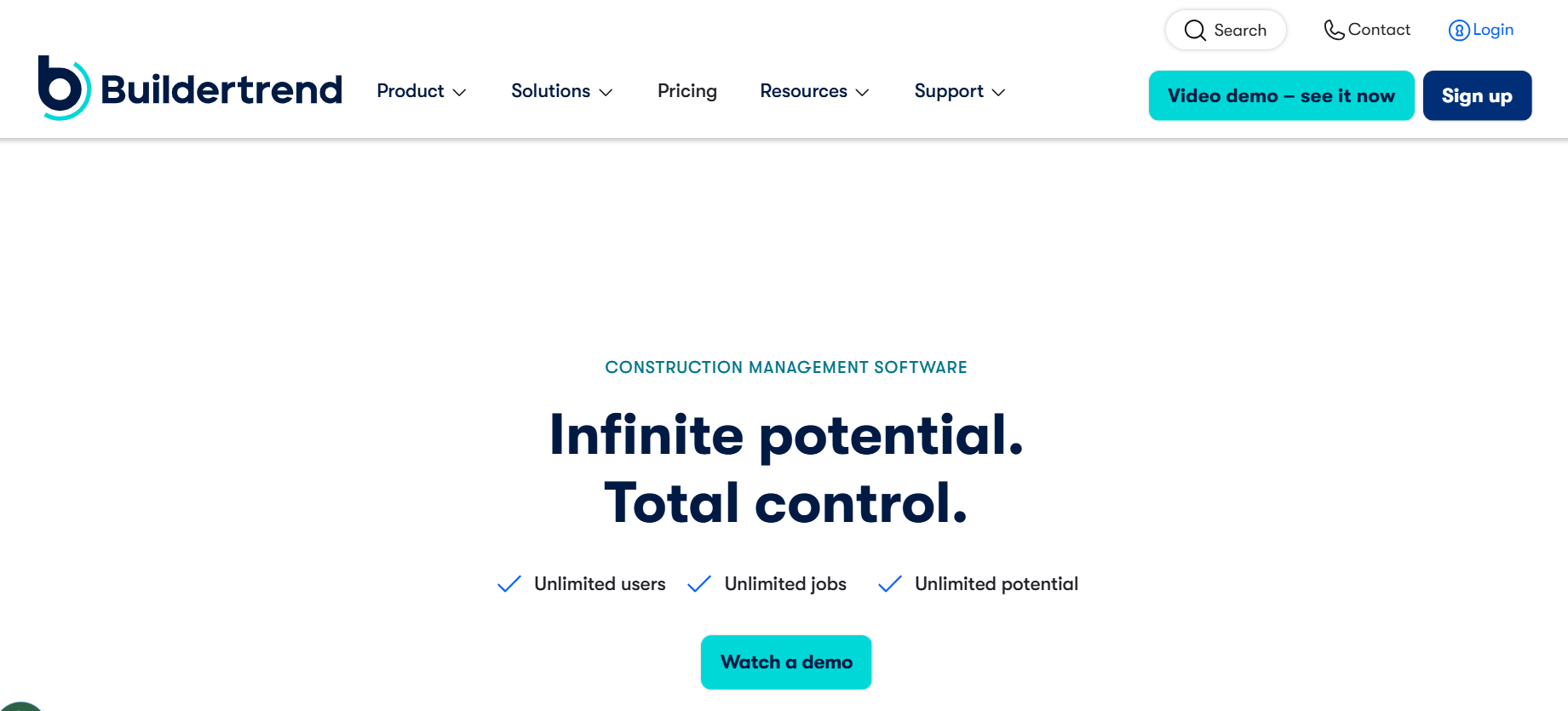
It is a tool for construction management that assists one in tracking their projects, schedules, and contractors' coordination by improving communication.
-
Allows for elaborate scheduling of the tasks, appointments, and the project timelines.
-
It allows teams to track the status of a project in real time, so everything is on schedule and within budget.
CoConstruct:
-
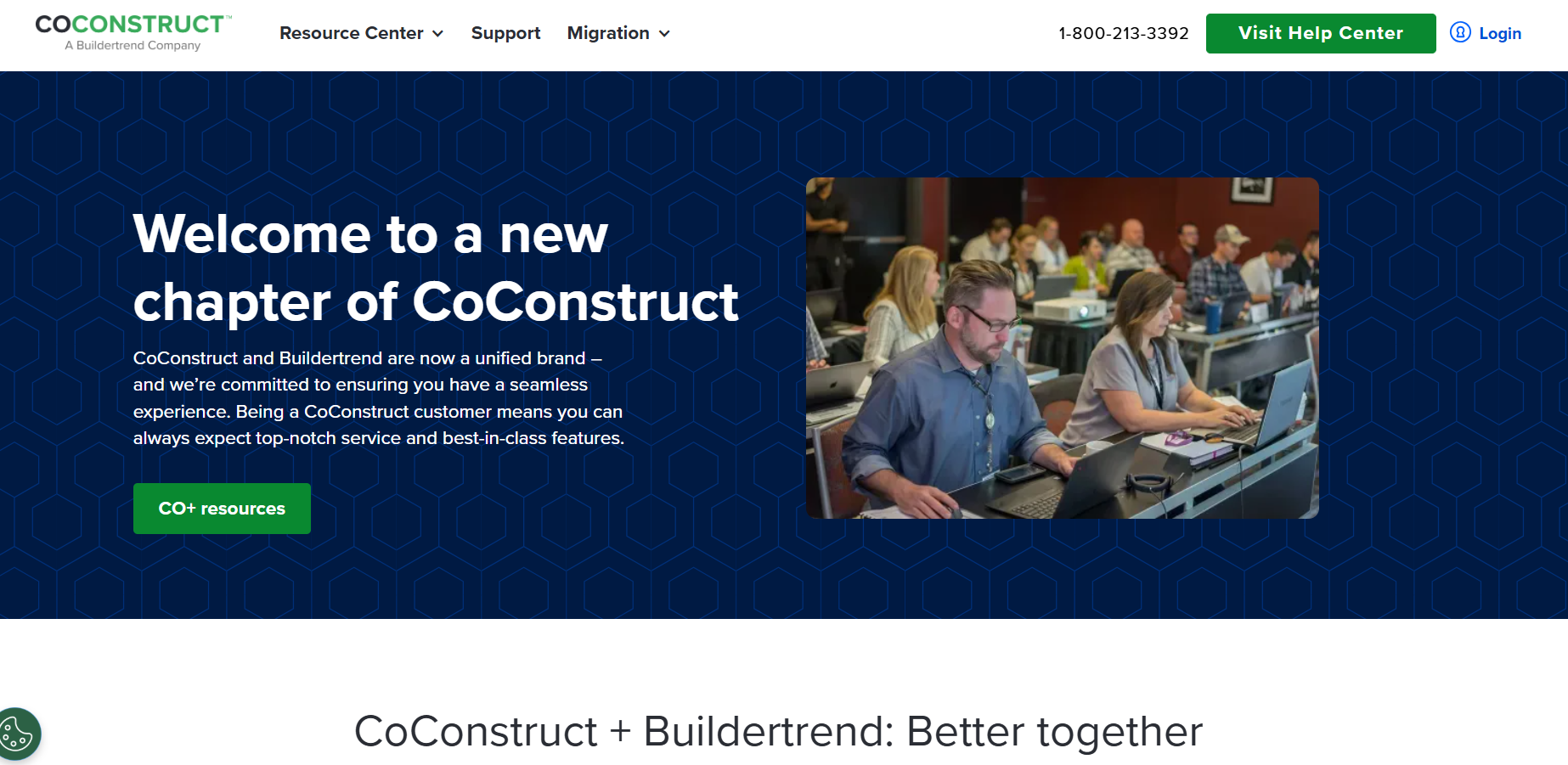
Provides construction management solutions specifically designed for custom homebuilders, including budgeting, scheduling, and client communication tools.
-
Store and share essential project documents like contracts, permits, designs, and photos.
-
The CoConstruct mobile app enables one to access and update project details from anywhere.
Conclusion
These Real Estate software tools are transforming the real estate landscape by introducing new Technologies, improving client experiences, and leveraging AI, blockchain and big data to provide better insights and management capabilities. By 2025, their role in real estate operations is expected to be pivotal, with further advancements in functionality and integration across the industry.