

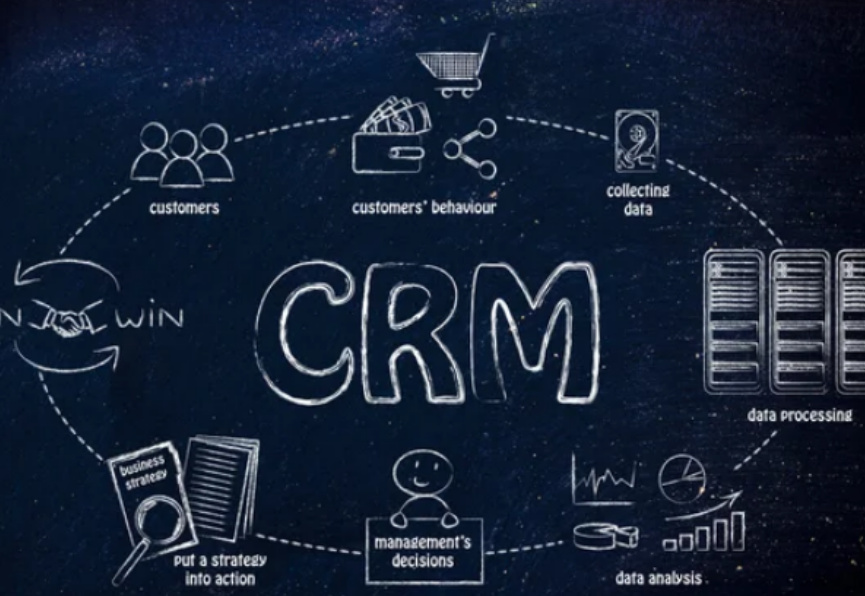
In today's competitive real estate industry, staying ahead of the game requires efficient management and streamlined processes. One technology that has proven to be a game-changer is the implementation of dashboards in real estate Customer Relationship Management (CRM) systems. These dashboards provide a comprehensive and visual representation of crucial data, enabling real estate professionals to make informed decisions and optimize their business processes. In this blog, we will explore the numerous benefits of incorporating dashboards into your real estate CRM, and how they can transform your business processes.
Understanding Real Estate CRMs
What is a real estate CRM?
A real estate CRM (Customer Relationship Management) is a software tool specifically designed to help real estate professionals manage their interactions with clients, leads, and other stakeholders. It serves as a centralized database to store and organize important information, automate tasks, and streamline various business processes.
Importance of CRMs in the real estate industry
CRMs are invaluable in the real estate industry as they provide a structured approach to managing customer relationships and business operations. They enable real estate professionals to effectively track leads, streamline communication, automate repetitive tasks, analyze data, and ultimately enhance productivity and profitability.
Key features of a real estate CRM
A robust real estate CRM typically offers features such as lead management, contact and client database, property listing management, transaction management, document storage, email integration, analytics and reporting, and integration with other software tools.
The Power of Dashboards
Overview of dashboards in real estate CRMs
Dashboards in real estate CRMs are visual interfaces that display key data and metrics in a user-friendly and easily digestible format. They offer a comprehensive snapshot of your business performance, providing real-time insights and analytics.
Visual representation of data
Dashboards utilize charts, graphs, tables, and other visual elements to present data visually. This allows real estate professionals to quickly and intuitively understand trends, patterns, and performance metrics, saving time and enabling faster decision-making.
Real-time insights and analytics
One of the most significant advantages of dashboards is their ability to provide real-time data and analytics. With up-to-date information on leads, sales, revenue, and other crucial metrics, you can identify opportunities, track progress, and make informed decisions on the fly.
Customization and personalization options
Dashboards in real estate CRMs often offer customization options, allowing you to tailor the displayed data according to your specific needs and preferences. You can choose which metrics to include, rearrange elements, and create personalized views that align with your business goals and priorities.
Enhanced Lead Management
Lead tracking and monitoring
Dashboards empower you to track and monitor leads in real-time. You can see the status of each lead, track their engagement with your marketing campaigns, and identify the most promising prospects. This helps prioritize follow-ups and allocate resources efficiently.
Conversion rate optimization
By analyzing lead data on the dashboard, you can identify bottlenecks in the conversion process and optimize your strategies accordingly. You can track conversion rates, analyze lead sources, and adjust your marketing efforts to maximize lead-to-customer conversions.
Streamlined communication and follow-ups
Dashboards allow you to streamline communication with leads by providing a centralized platform to view all interactions and notes. You can schedule follow-ups, set reminders, and ensure timely and personalized communication to nurture leads effectively.
Targeted marketing campaigns
With access to comprehensive lead data on the dashboard, you can segment your audience based on demographics, preferences, and behaviors. This segmentation enables you to create targeted marketing campaigns that resonate with specific lead groups, resulting in higher engagement and conversion rates.
Improved Client Relationship Management
Centralized client database
Dashboards provide a centralized database of all your clients, storing their contact information, communication history, preferences, and transactions. This holistic view enables you to deliver personalized experiences, anticipate client needs, and strengthen relationships.
Contact management and segmentation
You can efficiently manage your contacts on the dashboard by categorizing them into groups or segments based on criteria like location, property type, or transaction history. This segmentation allows you to tailor your communication and marketing efforts to specific client groups.
Effective communication and engagement
With dashboards, you can stay on top of your client interactions, ensuring timely follow-ups, personalized communication, and exceptional customer service. The dashboard serves as a reminder and task management tool, keeping you informed about scheduled calls, meetings, and important milestones.
Personalized client experience
By leveraging the insights provided by the dashboard, you can offer a personalized experience to your clients. You can track their preferences, transaction history, and feedback, enabling you to provide relevant recommendations, anticipate their needs, and enhance overall satisfaction.
Enhanced Property Management
Property listing and inventory management
Dashboards simplify property management by providing a centralized platform to track and manage property listings. You can monitor the availability, status, and performance of each property, making it easier to coordinate showings, negotiations, and sales.
Comparative market analysis (CMA)
Dashboards can generate comparative market analysis reports, allowing you to assess the value of properties based on market trends, historical data, and comparable listings. This analysis helps you set competitive prices, attract buyers, and secure favorable deals.
Property performance tracking
With the help of dashboards, you can track the performance metrics of your properties, such as days on the market, number of showings, and offers received. This information enables you to identify underperforming properties, adjust marketing strategies, and make data-driven decisions.
Maintenance and repair management
Dashboards can include features that help you manage maintenance and repairs for your properties. You can track maintenance requests, schedule repairs, and stay organized with a visual representation of pending and completed tasks. This ensures efficient property upkeep and tenant satisfaction.
Bottom Line
Incorporating dashboards into your real estate CRM can revolutionize your business processes by providing a comprehensive and visual representation of crucial data. From lead management and client relationship management to property and transaction management, dashboards offer real-time insights and analytics, streamlining your operations and enabling data-driven decision-making. By integrating with PropFlo an intelligent CRM Software, you can enhance your CRM's capabilities. So, Stay ahead of the competition and embrace the power of dashboards in your real estate business today.
Related Articles:
FAQs
Q1.How do dashboards in real estate CRMs improve client relationship management?
Dashboards provide a centralized database of all your clients, storing their contact information, communication history, preferences, and transactions. This enables personalized experiences, efficient contact management and segmentation, effective communication and engagement, and the ability to offer a personalized client experience.
Q2.How do dashboards in real estate CRMs enhance property management?
Dashboards simplify property management by providing a centralized platform to track and manage property listings, generate comparative market analysis reports, track property performance metrics, and manage maintenance and repairs. They make it easier to coordinate showings, set competitive prices, attract buyers, and ensure efficient property upkeep.
Q3.Can dashboards in real estate CRMs be customized?
Yes, dashboards in real estate CRMs often offer customization options. You can choose which metrics to include, rearrange elements, and create personalized views that align with your business goals and priorities.
Q4.How do dashboards in real estate CRMs provide real-time insights?
Dashboards in real estate CRMs provide real-time data and analytics. With up-to-date information on leads, sales, revenue, and other crucial metrics, you can identify opportunities, track progress, and make informed decisions on the fly.
Q5.How can integrating with PropFlo enhance a real estate CRM's capabilities?
Integrating with PropFlo, an intelligent CRM software, can enhance a real estate CRM's capabilities by adding additional features and functionality. It can further streamline business processes, improve data management, and provide advanced analytics and automation options.
Q6.How can incorporating dashboards into a real estate CRM transform business processes?
Incorporating dashboards into a real estate CRM can revolutionize business processes by providing a comprehensive and visual representation of crucial data. It enables real-time insights and analytics, streamlines operations, enhances decision-making, improves productivity, and helps stay ahead of the competition in the real estate industry.