


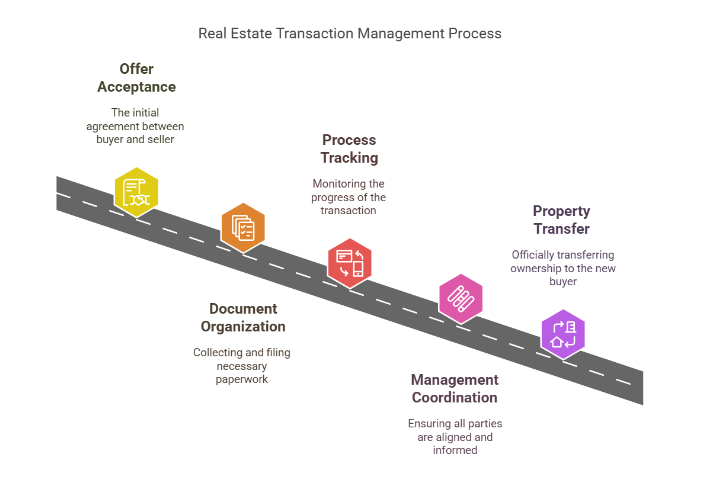
A real estate transaction is complex and consists of several steps with numerous parties. It can be a do-or-die situation for real estate developers, agents, buyers, and sellers in ensuring the deal closes on time and without a hitch. Here comes the role of real estate transaction management, which includes the organization, tracking, and management of the whole process from when an offer is accepted to the official transfer of the property to the new owner.
What is real estate transaction management?
The transaction management of real estate refers to the systems and processes that are used to assist in managing all the steps a real estate deal encompasses, from making an offer and signing a contract to finally closing. Such would include overseeing all paperwork, involved communication, managing deadlines, and tracking to ensure all steps are completed accordingly.
Transactions can therefore be well managed to avoid error, prevent delays, and guarantee that all legal, financial, and logistical requirements are met while at it. Real estate professionals need a system that tracks and organizes all the details that come with every transaction.
Why Transaction Management is Important?
Thus, handling real estate transactions effectively can mean the difference between everything being perfectly in line with the intended flow and disastrous chaos, delays, or cancellation of the deal on account of oversights such as late submission of deadlines, insufficient or incomplete documents, and miscommunication.
In transaction management for real estate agents, there is improved visibility on each step, which helps in the prioritization of tasks and reduces the possibility of missing important details. Moreover, everything is closely monitored, making everything appear smoother with excellent communication between clients.
The Steps in Real Estate Transaction Management: From Contract to Closing
Offer and Acceptance:
A process exists when a buyer makes an offer on a property, and the seller accepts the terms of the sale. With an accepted offer, a purchase agreement sets the terms of the sale—a price, conditions, and a timetable for closing.
-
Tip to Realtors: Secure the storage system that ensures a copy of the digitally stored contract. Digital storage can provide ease in retrieving a copied, signed paper among parties by either one.
Sale Deed and Deposit
After the contract is signed, earnest money is normally deposited into an escrow account by the buyer.This shows the buyer’s intent to proceed with the deal and is held until the transaction is complete. The escrow account also serves as a neutral place for funds to be kept until the deal is finalized.
-
Tip for Realtors: Transaction management software can send reminders to ensure that the escrow deposit is made on time, helping agents stay on track.
Inspections and Appraisal
The buyer will arrange for inspections and an appraisal to determine the condition of the property and establish its market value. If the inspection reveals problems, the buyer can request repairs or a price reduction. The appraisal ensures the lender knows the worth of the property.
-
Tip for Realtors: Once set up online, scheduling and tracking of inspections can better ensure the moving forward process without delay. Agents can check on reports in real time to keep track of and update clients accordingly
Contingencies
During the transaction, there may be contingencies that need to be satisfied, such as financing approval or an inspection contingency. These must be resolved before proceeding with the sale. If any problems arise, it may result in delays, renegotiation, or even the termination of the deal.
-
Tip for Realtors: A transaction management system can flag when contingencies are still pending, helping agents keep a close watch on these critical tasks.
Title Search and Insurance
A title company will search the property’s title to make sure there are no unresolved claims or legal issues, such as unpaid liens. If the title is clear, the company will issue title insurance, protecting both the buyer and lender against any future legal issues related to the property’s ownership.
-
Tip for Realtors: Stay updated about the status of the title search by integrating the communication tools in your transaction management system so nothing falls through the cracks.
Loan Approval and Final Documentation
Once all the contingencies are satisfied, the lender of the buyer will send in the final approval of the loan and the relevant documents for the buyer to sign prior to closing. These include mortgage agreements, closing disclosures, among others.
-
Tip for Realtors: Automate the tracking of documents so that all necessary signatures and paperwork are collected ahead of time before the closing date.
Closing
Closing marks the last process of a transaction. Each party will then sign the needed papers, and the buyer pays for the balance down payment. Upon closing, the property title is turned over to the buyer, and the sale becomes official. Now, the process is finally completed, and the buyer receives ownership of the property.
-
Tip for Realtors: A transaction management platform can keep the necessary checklist of work to be executed before the closure date to ensure that there is no omissions.
How Transaction Management Software Helps
Using a dedicated transaction management system is a great way to manage the whole thing and organize everything in terms of managing properties for real estate professionals. Such tools improve the entire transaction experience.
-
Centralized Document Storage: Store all contracts, reports, and communication in one place, ensuring that everyone involved can access the necessary information at any time.
-
Task Management: Assign tasks, set deadlines, and track progress. This ensures that nothing is missed, and everyone stays on the same page.
-
Reminders and Alerts: Automated reminders will notify agents and clients about approaching deadlines or missing documents, which will keep the deal on track.
-
Improved Communication: The transaction management platform facilitates communication among the buyer, seller, agents, and other parties involved in the process, making sure that everyone is informed of the developments.
-
Data Security: It involves sensitive financial and legal data, so a transaction management system ensures that all this information is stored securely and accessed only by authorized individuals.
Conclusion
Real estate transactions are complex in every way, involving many moving parts and different people and organizations. Without the proper management of such a process, it becomes overwhelming and disorganized very quickly. Real estate transaction management tools help agents and clients avoid missing deadlines, incomplete documentation, or poor communication.
From contract to closing, a structured approach to transaction management not only gets things moving but also improves everyone's experience from the process. Keeping all tasks, documents, and communications organized for real estate professionals ensure that their deals close successfully, with less stress. PropFlo Real Estate CRM has a post-sales management tool where you can create sale deeds, AOS and demand notes in bulk for a number of customers and track all your transactions and create customized reports for better management. Also, your customer will get the customer portal access where they can actually see their property status and communicate with the developer CRM team for any updates, as well as the developer CRM team can share instant demand notes on a timely basis for each payment before the due date, and if exceeded, then send overdue payment reminders.