

In today’s competitive digital landscape, capturing attention is only half the battle. The real challenge? Converting that attention into meaningful action, whether it’s a purchase, a sign-up, or a booked appointment.
That’s where the sales funnel comes in.
According to a 2024 HubSpot report, businesses that map their buyer journey using a defined sales funnel see up to 62% higher conversion rates than those that don’t. Why? Because a funnel gives structure to your strategy. It helps you guide potential customers through every stage of their decisio n-making journey, from first discovering your brand to finally becoming a paying customer.
Whether you’re in real estate, SaaS, or services, an effective sales funnel can help you turn more leads into loyal customers, without burning out your team or budget.
In this blog, we’ll break down what a sales funnel is, why it matters, and how you can build one that actually delivers results.
What is a Sales Funnel?
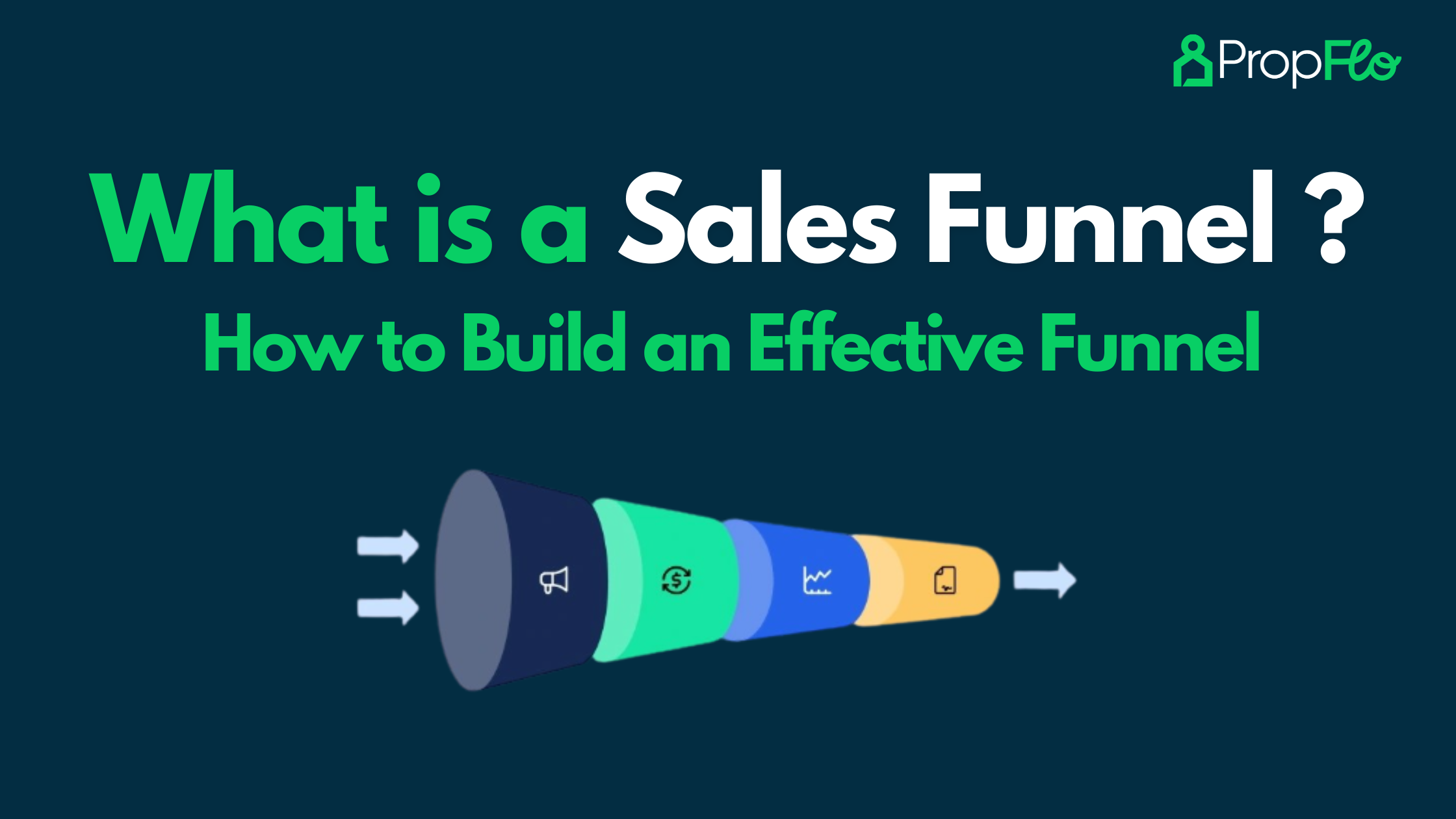
A sales funnel is a step-by-step process that maps how potential customers move from first discovering your business to finally making a purchase. It helps you visualise the entire customer journey, starting from the moment someone becomes aware of your brand to the point where they convert into a paying customer.
It’s called a "funnel" because not everyone who enters the journey will make it to the end. Many people may come across your content or ads, but only a smaller group will express interest, evaluate your offering, and ultimately take action.
A typical sales funnel is divided into stages like:
-
Awareness – where prospects first learn about your business
-
Interest – where they start engaging with your content or offerings
-
Decision – where they compare options and consider buying
-
Action – where they convert, sign up, or make a purchase
This structure helps businesses guide leads through a meaningful experience instead of leaving engagement to chance. Whether you're selling a product, a service, or real estate solutions, the sales funnel provides a clear roadmap for nurturing leads and driving conversions.
Why Does the Sales Funnel Matter?
Without a sales funnel, it’s hard to know where your leads are coming from, what stage they’re in, or why they may be dropping off. A well-defined funnel gives you visibility into the buyer’s journey and allows you to align your marketing and sales efforts more effectively.
Here’s why it matters:
-
It provides structure to your sales process. Instead of treating all leads the same, you can tailor your approach depending on where someone is in the funnel, whether they just found you or are ready to buy.
-
It improves customer experience. When you understand your prospect’s needs at each stage, you can deliver the right message at the right time, making interactions more relevant and helpful.
-
It helps identify and fix drop-offs. A funnel lets you track where potential customers lose interest, so you can address issues, refine messaging, or improve follow-up efforts.
-
It increases conversion efficiency. With better visibility and targeted communication, your team can spend less time chasing cold leads and more time closing warm ones.
In short, a sales funnel turns scattered interactions into a systematic approach, helping you attract, engage, and convert more effectively.
Key Stages of the Sales Funnel

While every business may have its own version of a sales process, most funnels follow a common structure built around four core stages: Awareness, Interest, Decision, and Action.
Each stage represents a different mindset, and knowing how to guide leads through each one is crucial to building an effective funnel.
Stage 1: Awareness
This is the top of the funnel, where potential customers first come across your brand. They may have never heard of you before, but now something has caught their attention: an ad, a blog post, a social media video, or a referral.
At this stage, the goal is to generate visibility and create a strong first impression. Your messaging should focus on identifying your audience’s pain points and offering valuable insights, not selling.
Examples of awareness-stage tactics:
-
Blog content or educational videos
-
Social media campaigns
-
Google or Facebook ads
-
SEO-optimised landing pages
-
Industry webinars or events
Stage 2: Interest
Once someone is aware of your brand, the next step is to spark genuine interest in what you offer. They may start browsing your website, download a resource, sign up for a newsletter, or follow you on social media.
This is where relationship-building begins. Your content and messaging should focus on offering value, answering key questions, and encouraging prospects to explore further.
Key tools for the interest stage:
-
Lead magnets (e.g., guides, checklists, reports)
-
Email nurture sequences
-
Product/service explainers
-
Testimonials or case studies
-
Comparison blogs or videos
Stage 3: Decision
Now the lead is considering whether to move forward with your solution. They’re likely comparing options, checking reviews, and assessing how well your offering matches their needs.
At this stage, you need to provide clarity, credibility, and confidence. Think of it as helping them justify their decision, both logically and emotionally.
Content that helps during the decision stage:
-
Product demos or walkthroughs
-
Free trials or consultations
-
Pricing breakdowns
-
Customer success stories
-
Personalised proposals or ROI calculators
Stage 4: Action
This is the moment of truth: your lead is ready to take action. Whether it’s booking a call, filling out a form, or making a purchase, your job now is to make the process seamless, reassuring, and compelling.
At this stage, reduce friction and add urgency where needed. You’ve done the hard work, now focus on making conversion easy.
Conversion tools and tactics:
-
Clear CTAs (calls-to-action)
-
Simple sign-up or checkout flows
-
Limited-time offers or bonuses
-
Onboarding emails or welcome guides
-
Live support or chatbots to assist
Pro Tip: Many successful businesses also extend the funnel with a fifth stage: Loyalty or Retention, where the focus is on delighting customers and turning them into repeat buyers or brand advocates.
Common Sales Funnel Metrics to Track
Building a sales funnel is only half the job, measuring how it performs is what turns it into a real growth engine. By tracking the right metrics at each stage, you gain visibility into what’s working, where leads are dropping off, and how to optimise the funnel for better results.
Here are the key metrics every business should monitor:
1. Conversion Rate by Stage
This shows the percentage of leads that move from one stage of the funnel to the next. For example:
-
What % of website visitors become leads?
-
What % of leads book a demo?
-
What % of demos turn into paying customers?
Tracking these transitions helps identify where leads are getting stuck and which parts of the funnel need attention.
2. Lead Drop-Off Points
Understanding where leads lose interest is critical for funnel improvement. A sharp drop in engagement from the interest to decision stage, for instance, may indicate that your messaging isn’t strong enough or that prospects aren’t finding the information they need to move forward.
3. Time Spent in Each Stage
This tells you how long leads typically stay in each stage before moving on or dropping out. If leads are lingering too long in the “decision” phase, consider adding more trust-building content, faster follow-ups, or clearer CTAs.
4. Customer Acquisition Cost (CAC)
CAC shows how much you’re spending to acquire each customer, including ad spend, software, and team time. When paired with funnel data, this helps you assess whether your campaigns are cost-effective and sustainable.
5. Customer Lifetime Value (LTV)
LTV estimates how much revenue a customer will generate over time. Comparing this with your CAC gives you a clear picture of your return on investment. A strong funnel will improve both LTV and CAC by attracting better-fit leads and increasing conversion efficiency.
6. Funnel Velocity
Funnel velocity measures how quickly leads move through your funnel. The faster qualified leads move from awareness to action, the more efficient and predictable your sales process becomes.
By consistently tracking these metrics, you can identify patterns, spot bottlenecks, and make data-driven decisions to improve your funnel's overall performance.
How to Build an Effective Sales Funnel

Building a sales funnel isn’t just about creating a few landing pages or email sequences, it’s about intentionally designing every stage of your customer’s journey. From the first interaction to the final conversion (and even beyond), each step should be aligned with your audience’s needs, questions, and intent.
Here’s a detailed step-by-step guide to building an effective sales funnel:
Step 1: Define Your Ideal Customer Profile (ICP)
Before you create landing pages or run ads, ask: Who exactly are we trying to attract?
Your Ideal Customer Profile (ICP) is a detailed description of the kind of customer who’s most likely to benefit from your offering and become profitable over time. Defining this ensures that your funnel attracts the right people from the start.
Ask yourself:
-
What industry or niche do they belong to?
-
What are their pain points, desires, or goals?
-
What are their buying habits? Are they price-sensitive or value-driven?
-
Where do they typically hang out online—Instagram? LinkedIn? Google?
Example (Real Estate): If you’re selling residential plots in a growing metro area, your ICP might be middle-aged professionals looking for long-term investments near good schools and infrastructure projects.
Knowing your ICP helps tailor your messaging, content, and offers at every funnel stage.
Step 2: Map the Customer Journey
Once your target audience is clear, map out the steps they take from “I’ve never heard of you” to “I’m ready to buy.”
This journey generally aligns with four funnel stages:
-
Awareness – They discover your brand (via search, social, ads)
-
Interest – They start researching and exploring your offer
-
Decision – They compare you with competitors or options
-
Action – They make a purchase or book a service
Now, for each stage, think:
-
What questions are they asking?
-
What’s stopping them from moving forward?
-
What kind of content would help at that point?
Tip: Use tools like customer interviews, Google Analytics, or heatmaps to get insights into real customer behavior.
Step 3: Create Valuable, Stage-Specific Content
Think of content as the fuel that moves leads through your funnel. But not all content serves the same purpose, each stage of the funnel requires a different kind of message.
Top of Funnel (Awareness)
Focus: Education + Visibility
Your goal here is to grab attention and start a conversation, not to pitch your product.
Examples:
-
Blog posts (e.g., “5 Mistakes First-Time Homebuyers Make”)
-
Social media reels or explainer videos
-
Informative guides or industry insights
-
SEO content that answers common early-stage queries
Middle of Funnel (Interest + Consideration)
Focus: Engagement + Trust
Leads are now aware of their problem and are exploring solutions. Your job is to prove your value and expertise.
Examples:
-
Lead magnets (e.g., “Free Real Estate Investment Toolkit”)
-
Email nurture sequences
-
Webinars or live Q&As
-
Testimonials, reviews, or video walkthroughs
Bottom of Funnel (Decision + Action)
Focus: Conversion + Urgency
Now is the time to provide all the clarity they need to say "yes" and a nudge if they’re hesitating.
Examples:
-
One-on-one consultations
-
Limited-time offers or bonuses
-
Free trials or site visits
-
Personalized proposals or cost breakdowns
The more tailored and relevant your content, the higher your chances of moving them to the next stage.
Step 4: Set Up Lead Capture and Nurturing Mechanisms
You’ve built interest. Now it’s time to capture it and keep it warm.
Lead Capture Tools
-
Forms on landing pages
-
Popups offering downloadable resources
-
Chatbots with lead prompts
-
Calendars for booking calls or site visits
Once captured, store these leads in your CRM like Propflo to track every interaction and manage follow-ups.
Lead Nurturing Tools
-
Automated email sequences tailored to funnel stages
-
Retargeting ads based on page visits
-
WhatsApp or SMS reminders
-
Smart filters or lead scoring to prioritise high-intent leads
Nurturing ensures that even if someone doesn’t convert today, they stay in your orbit until they’re ready.
Step 5: Test, Analyse, and Optimise
Your funnel is a living system, it’s never truly "done." The best marketers constantly ask:
-
Where are people dropping off?
-
Which email has the best open rate?
-
Are my CTAs working?
-
What’s the ROI from my paid ads?
Set up tracking through tools like:
-
Google Analytics
-
Heatmaps or session recordings
-
CRM dashboards
-
Campaign analytics (open rates, CTRs, conversions)
Pro Tip: Platforms like Propflo help you visualise your sales funnel and automate follow-ups, making it easier to identify drop-offs and optimise campaigns, especially for real estate teams handling multiple leads and listings.
Experiment with:
-
A/B testing subject lines and CTAs
-
Rewriting landing page copy
-
Adjusting the time between emails
-
Segmenting audiences differently
Even small tweaks can significantly boost your conversion rates over time.
Step 6: Align Your Internal Teams
A funnel can only succeed if everyone involved is on the same page. Sales, marketing, and even customer support teams should all understand:
-
What each funnel stage means
-
Who owns what part of the process
-
When and how leads should be followed up with
Using a shared CRM platform ensures that all customer data, conversations, and campaign performance are accessible across departments.
How CRM Supports Funnel Success

While strategies, content, and offers are key components of your funnel, what ties it all together is your CRM, the system that ensures every lead is tracked, nurtured, and guided through the right journey at the right time.
Here’s how a CRM helps bring your sales funnel to life and keeps it running efficiently:
Centralises Customer Data
Your CRM acts as the single source of truth for all your leads and customers. From the first website visit to the final purchase, every interaction is recorded and stored in one place. This ensures your marketing, sales, and support teams are all working with the same real-time information, reducing confusion and missed opportunities.
Tracks Lead Movement Across the Funnel
CRMs allow you to see exactly where each lead is in your funnel—whether they’re brand-new, mid-funnel, or sales-ready. You can also set up lead scoring rules to automatically prioritise high-intent prospects and trigger next steps (like a sales call or a targeted email).
For example, if a lead has visited your pricing page three times in a week, your CRM can flag them as a hot lead and notify your sales rep to follow up.
Automates Follow-Ups and Nurturing
Timing is critical in moving leads through the funnel. With a CRM, you can set up automated workflows to send emails, SMS, or WhatsApp messages based on specific triggers, like form submissions, page views, or time delays.
This not only saves your team time but ensures your leads stay engaged without you having to manually chase them.
Enables Personalisation at Scale
One of the most powerful features of a CRM is the ability to personalise outreach, without writing every message from scratch. Using stored data like name, preferences, location, or past interactions, you can craft messages that feel 1:1, even when sent at scale.
Analyses Funnel Performance
Your CRM can show you conversion rates at every stage of the funnel, identify drop-off points, and help you understand which campaigns or channels are performing best. With these insights, you can tweak your strategy, optimise your content, and ultimately close more deals.
With Propflo, you get a CRM built specifically to support real estate and high-touch sales cycles, offering lead tracking, campaign automation, segmentation tools, and real-time insights. Whether you’re managing 50 leads or 500, Propflo helps you streamline your funnel without missing a beat.
Bottom Line
A sales funnel isn’t just a framework; it’s the foundation of how you attract, engage, and convert customers in today’s crowded market. It brings structure to your strategy, clarity to your messaging, and consistency to your results.
By taking the time to understand your ideal customers, mapping out their journey, creating valuable content, and supporting the process with a smart CRM system, you build a funnel that doesn’t just generate leads—it drives growth.
PropFlo empowers you to do exactly that. From the first click to the final conversion, Propflo helps you manage your sales funnel with precision, automation, and actionable insights—so you can focus on what matters most: building relationships and closing deals.
Whether you’re building your first funnel or refining an existing one, now is the time to make it smarter, faster, and more customer-centric.