
The real estate industry used to be old-fashioned and devoid of technology and software integration. Now, these times are gone. Disruptive real estate technology has been actively adopting modern innovations that revolutionize the industry.
The notable real estate technology trends include Artificial Intelligence (AI), Big Data, Virtual Reality (VR), Internet of Things (IoT), automated property management and maintenance, and many others. They provide an absolutely different method to dealing with real estate property.
Such real estate technology trends have a great deal of usefulness as they create room for realtors and clients equally. Practical real estate technology and innovation applications include
-
AI, used for automating property documentations like demand letter generation, property valuation, customer support chatbots, property search, and property management
-
IoT for enhancing home living with smart homes;
-
VR for immersive experiences with virtual 3D property tours;
-
Big Data and AI for predictive analytics, automated property valuation models, and property investment.
These advancements are not only improving efficiency but also shaping the future of real estate technology. And those who don’t catch up with incredibly dynamic real estate innovations, unfortunately, risk being left behind.
What is Real Estate Technology?
Real estate technology refers to the use of digital innovations, proptech software, and web tools to enhance and streamline processes in real estate, including property management, transactions, and Reports and Dashboards for analysis. Real estate technology is used by agents, builders, customers, architects, and property managers to improve efficiency and facilitate real estate activities like buying, selling, renting, or marketing and investing.
Real Estate and Technology
The application of technology will greatly benefit real estate processes. Technology and real estate became one, heightening the real estate innovation significantly. Among these are virtual reality, AI-powered real estate tools, and the Internet of Things-an area that improves efficiency and access and streamlines the transaction process for real estate while bringing automation to most tedious and repetitive tasks.
AI innovation in the real estate industry can help decrease the workload of the workforce, thus optimizing property analysis, automating routine tasks such as document processing, appointment scheduling, and data management, saving employees time and resources.
Future Real Estate Technology Trends
In 2024, the artificial intelligence revolution is reshaping the future of real estate technology. Along with the widespread adoption of real estate crm software, some of the best real estate technology trends 2025 include AI, Machine Learning, Cloud Computing, Big Data Analytics, Virtual and Augmented Reality, Smart Buildings, IoT, Green Building Technology, Predictive Analytics, 3D printing, Drones, and many others.
Artificial Intelligence
Probably the biggest real estate technology and innovation breakthrough is Artificial Intelligence, or AI, which has been on the rise since 2022 and will stay here for long. This real estate tech trend has reached the industry quite recently, but already became essential in real estate operations.
The trend of AI in real estate will further evolve with the recent introduction of the GPT Store, allowing users to choose ready-made chatbots from the constantly expanding GPT collection.
With the emergence of a whole new collection of affordable AI-powered real estate assistance, many more repetitive and manual tasks will be optimized, automated, and replaced by technology, saving time and effort of real estate professionals.
Some of the most popular AI applications in real estate are:
-
AI Web bot for high-quality 24/7 customer support;
-
AI Content writer
-
AI Based Real Estate Data analyst
-
Automated property valuation
-
AI Chatbots Virtual assistants with the ability to schedule appointments, summarize and plan calls, and create and manage tasks;
-
Tools for property descriptions and summaries generation for listings;
-
Analytics for market trends tracking and data analysis;
-
Real estate investment and portfolio management platforms;
-
AI natural language search for finding relevant properties;
-
Automated property management and maintenance platforms.
.png)
AI Virtual Assistants
Real estate Developers and brokers must handle a huge variety of tasks – from dealing with clients to documentation management. Luckily, in 2024 AI real estate innovation can help by implementing virtual assistants, AI Web bots / chatbots, and automated management to streamline tedious real estate processes..png)
Predictive AI for Property Valuation
Real estate technology, integrated with AI, can be used by real estate professionals to make market predictions and automate data analysis. Predictive AI can use property valuation, predict relevant rent, and analyze required data in the real estate area.
Property Marketplace Technology
Real estate technology in the property marketplace will be very crucial in 2024 in the real estate industry. Currently, rental marketplaces act as an intermediary between buyers looking for a property and sellers or landlords. Marketplaces make the home-searching process fast, easy, convenient, and effective.
Blockchain
After disappearing for some time, the blockchain tech trend again gets back on track in 2024. Blockchain continues to be one of the significant real estate technology trends due to its transparency, security, and efficiency in transactions and record-keeping.
One of the benefits that this blockchain technology brings about is tamper-proof digital ledgers for property transfers and lease agreements. Blockchain real estate technology ensures that this service is independent from government and financial institutions because it is fully digitalized and very secure. Moreover, it makes property transactions and management highly efficient and trustworthy through automated contract execution with its smart contracts.
It is projected that blockchain will become one of the leading trends in real estate tech, especially in terms of tokenization for mass investor involvement and cryptocurrency-based smart contracting.
AI for Contract Management
AI has optimized numerous real estate processes, and document management is one of the most tedious, so it was by all means not forgotten. AI contract lifecycle management tools, including AI Demand note generation, Agreement letter, lease abstraction and AI data entry, have emerged as the transformative real estate technology trend in the industry.
As with most real estate technology trends, AI contract management uses artificial intelligence to automatically extract all important information from different sources of data such as leases, agreements, and emails and then enter the critical details into the CRM.
Mobile-First User Experience
The real estate industry is not an exception to this move by customers towards mobile experiences. Mobile-first experiences in the real estate technology trend are on the increase due to the reliance of customers on mobile devices to search for property, manage a transaction, and get AI assistance.
Relatedly, real estate platforms and apps embrace responsive design, intuitive navigation, and integration with mobile features such as GPS and augmented reality. This is how real estate tech meets today's changing behaviors of how consumers demand access to information about properties and communicate with agents through their mobile devices.
The mobile-first emphasis improves user convenience, making decision-making and property transactions faster and easier for both the customer and the agent. This real estate technology trend emphasizes the importance of considering the target audience and choosing whether to have a website or an app that meets user preferences.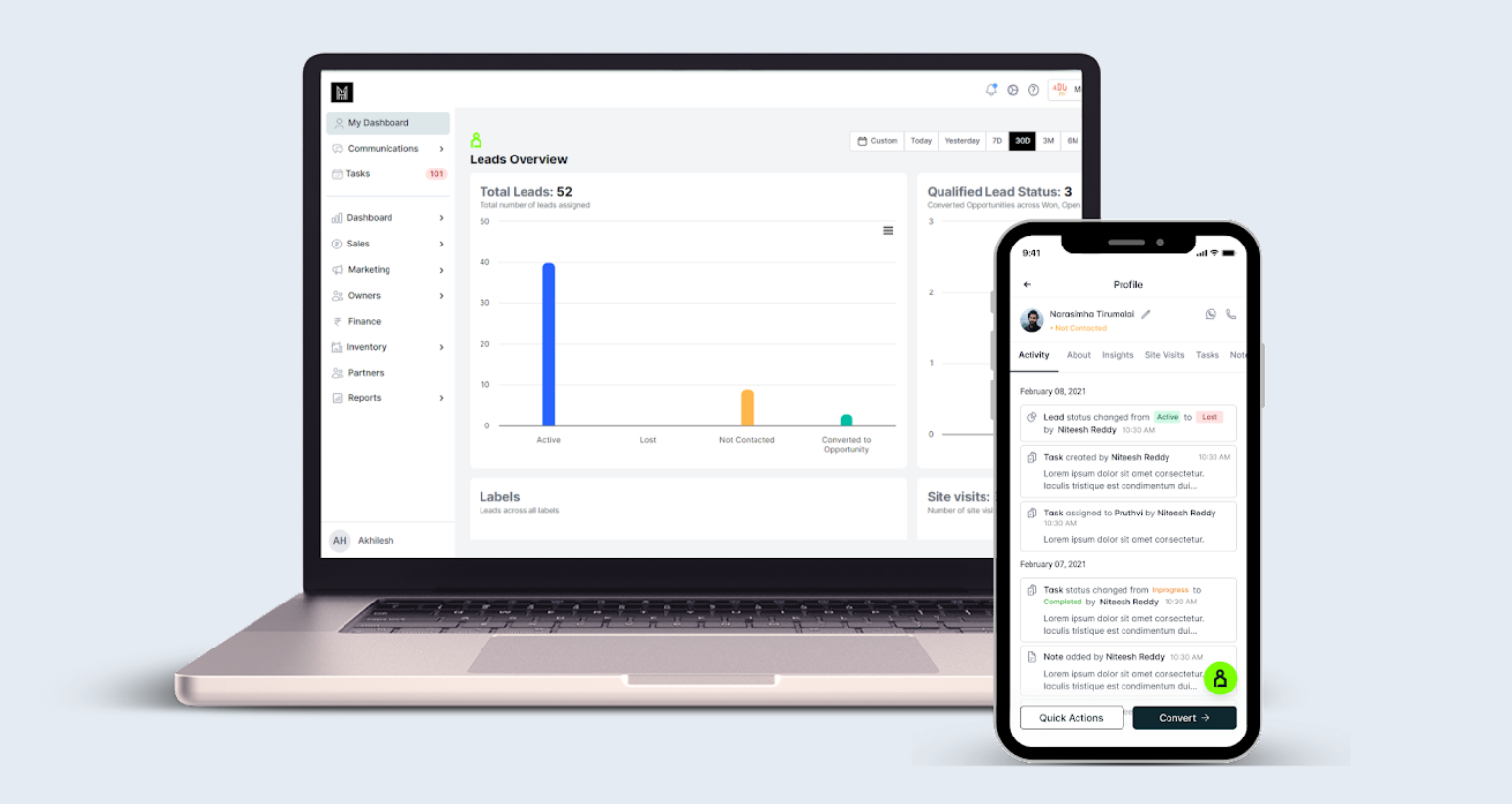
Fractional Property Ownership
Fractional property ownership is a collaborative ownership model where multiple parties share property ownership, dividing both usage and responsibilities based on proportional shares. This method is widely used in luxury and vacation real estate, as using it, access to expensive properties becomes easier. Fractional ownership is primarily used by real estate investors, as it helps diversify portfolios and access exclusive real estate opportunities.
Cloud Computing and Storage
According to Deloitte’s research, migrating to the cloud is one of the top real estate technology trends implemented by 36% of real estate respondents across the globe.
The whole idea behind the cloud is to let companies store their data, say client or property details, online without having to manage onsite data centers or organize paperwork. This means you no longer need to worry about data security and accessibility, system maintenance, and room for document storage.
For real estate agents / dealers / brokers migration to the cloud mainly comes in the form of subscription-based applications like CRM Platforms, Lead management system, sales management software, or simply cloud data storage.
Big Data
If just a decade ago, real estate firms made decisions based on professional experience and records in Excel, today data-related real estate tech trends have changed significantly. Artificial intelligence complemented by big data makes it possible to paint more vivid pictures of future risks and opportunities in the real estate market, leading to a higher quality of analysis and predictions.
Big data technology is becoming even more powerful when combined with artificial intelligence. The applications of big data integrated with AI in real estate include multiple examples:
-
Market prediction for informed investment decisions.
AI can analyze extensive datasets, such as historical information about real estate sales in the area, economic factors, demographic shifts, social media sentiment, and market trends. Using this data, AI predicts future property values, market fluctuations, and rental patterns specific to locations and property categories. This way investors can make informed choices regarding property transactions, therefore optimizing portfolios and maximizing returns. -
Enhanced up-to-date property valuation.
AI analyzes data related to individual properties, considering property size, condition, renovations, and nearby developments, and additional factors like neighborhood characteristics, crime rates, school ratings, and proximity to desirable amenities. This allows for a more detailed and realistic assessment of a property’s value. -
Automated improved property management.
Utilizing big data analytics, AI can monitor maintenance requirements by analyzing data from smart appliances, security systems, and utility meters, and forecast potential equipment failures and issues before they escalate into expensive problems.
Virtual Reality (VR)
Among other real estate innovations, Virtual Reality (VR) technology plays a transformative role by providing immersive and interactive experiences for buyers, sellers, and agents. This real estate technology trend allows potential buyers to take virtual tours of properties from their homes, experiencing the look and feel of houses without visiting them.
Smart Buildings / IoT
Modern people are living a fast-paced life, so our houses and apartments should adapt. The dynamic expectations of tenants and buyers are met with always-connected IoT homes of smart mirrors, robot vacuum cleaners, and wireless kitchen appliances interacting with each other and quickly reacting to people’s needs.
The concept of smart buildings powered by the Internet of Things appeared among real estate technology trends back in the early 2000s. However, today the power of smart homes is much more widespread and affordable, so it has become a more viable real estate technology for consumers.
There are three defining features of this real estate tech trend:
- Smart amenities like automatic lights that turn on 1 hour after sunset and turn off 1 hour before sunrise. Connectivity. All smart amenities and gadgets communicate with each other through Wi-Fi, smart sensors, and intelligent access controls.
- Remote performance access. IoT sensors (smoke, CO2, motion, leak, gas, etc.) and smart meters collect the data about consumption remotely and send reports to the tenant / owner / property manager’s laptop or phone, meaning the real estate tech control is literally on their fingertips.
Green Building Technology
With the increased demand for digital systems to track and improve energy use, manufacturers and installers increasingly adopt efficiency-enhancing building materials and systems. One way to do this is to install low-carbon heating and cooling systems, such as heat pumps and energy-efficient A/C.
Real Estate Marketing and Technology
As the world has globally switched to online mode, word of mouth or direct mail is no longer enough to win prospective clients. Today, having an online presence is crucial.
To strengthen the brand and client experience, real estate agents more and more often opt for marketing realtor technology, like listing portals that let you publish and update your listings right from your Real Estate CRM Software or automated marketing campaign tools to send personalized journeys to clients. On the whole, marketing realtor technology is commonly associated with the following functionality:
-
Personalized Whatsapp and Automated email campaigns
-
Lead Management, Segmentation, lead scoring and nourishment
-
Advanced Inventory management and planning
-
Third party tools, Real Estate portals and Social media Integration with CRM, and more.
Conclusion:
In fact, these real estate tech trends strive at the intersection of all other above-mentioned real estate innovations, like AI, cloud computing, and data analytics.
Obviously, transitioning from traditional (or old-fashioned) spreadsheets and paper notebooks to Real Estate AI automation and digital tools might be uncomfortable and painful. Nevertheless, mastering the cutting-edge real estate technology trends is nearly a requirement in today’s atmosphere, as this means maintaining a competitive advantage and staying ahead in the industry.
Here are two of the key reasons why real estate innovation is crucial for real estate Developers and channel partners:
-
Customer expectations around the property are shifting. If just a decade ago tenants would seek real estate services on-site, today many choose to use mobile or web searches. In addition, tenants and buyers want higher levels of personalization, which requires having all past communications in one place and being able to access them from anywhere. As a result, not having a strong online presence and keeping data in Excel actually takes away real estate deals.
-
Brokers can also increase their operational efficiencies by implementing recent real estate innovation ideas such as AI-driven marketing automation, streamlining operations and workflows, utilizing Virtual Reality for property viewings, and using chatbots for better customer support quality.
How PropFlo CRM Helps Keep Up with Real Estate Trends
With the dynamic evolution of real estate trends at the intersection of real estate technology and innovation in software, it has never been a more important time to be proactive in adopting disruptive technologies like AI, Big Data, or Virtual Reality.
If you are ready to embrace real estate innovation consider hiring PropFlo – a seasoned Real Estate CRM Software company from India which provides India’s first AI Driven CRM Software from Initial enquiry to Handover.
Here is why our clients choose us:
-
Headquartered in Hyderabad, Telangana, we know the local real estate market like the back of our hand
-
We have developed disruptive CRM solutions for real estate Developers and Agents.
-
We have been at the forefront of business tech innovation since 2021.
-
Not only do we have extensive expertise in real estate, but we also have designed our own family of products that help real estate professionals automate tedious tasks and stay efficient.
Visit our website www.propflo.ai to know more