
The concept of digital twin technology is quickly becoming a game-changer in several industries, and the real estate sector is no exception. While the term "digital twin" might sound futuristic, it is already making a significant impact on how properties are managed, developed, and sold.
In real estate, a digital twin is a virtual replica of a physical property or building that allows real-time simulation, monitoring, and management. By integrating data from various sources (such as sensors, IoT devices, and historical records), digital twins offer a detailed, up-to-date representation of a property’s physical state and performance. This emerging technology is making developers, property managers, and tenants better informed, and that improves efficiency, reduces cost, and helps create a much better experience in real estate.
We're going to dig into how this digital twin technology is applied in real estate, what are the benefits offered, and potential reshaping for property management and development.
What is a digital twin?
A digital twin is the dynamic, digital model of a physical asset, system, or process. For example, in the field of real estate, it is the virtual replica of a building, infrastructure, or even the entire urban environment. Model features are the same as the real counterparts; that is, they share the same look, structure, and performance.This will allow stakeholders to analyze the asset in real-time.
These are sensor-fed, Internet of Things (IoT) and data analytics-pushed digital representations, powered through the feeding of information from factors such as temperature, humidity, energy consumption, occupancy level, and needs for maintenance, into a virtual model. This would essentially be an inconstantly moving representation of property, giving information that could rarely be acquired otherwise.
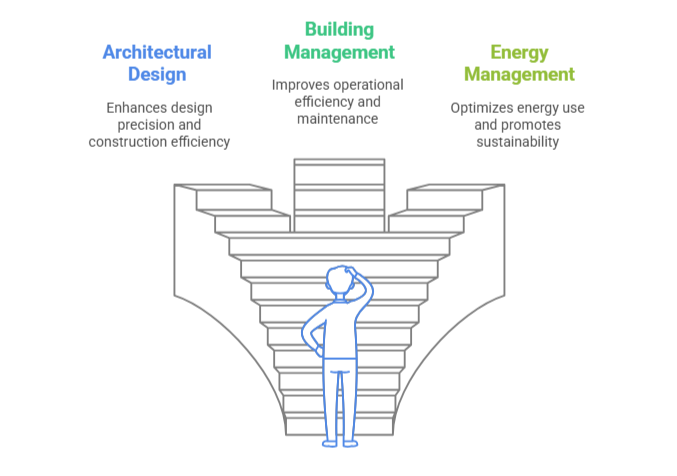
Applications of Digital Twin Technology in Real Estate
1. Architectural Design and Structural Construction
It's during the development stage of real estate that digital twins are mostly applied. During the design and construction stages, architects, engineers, and developers can make virtual models of buildings to test and optimize different aspects of the design before any physical work begins.
Virtual models will simulate construction processes, identify risks in advance, and optimize the materials and layout used in the buildings. Through the application of the technology known as digital twins, developers can ascertain whether the given design is feasible, better the procedures for safety, and reduce costs and construction timelines.
2. Building Management and Maintenance
After a building is built, digital twins offer immense value throughout the life cycle of a building.Property managers can use the digital replica to monitor the performance and condition of the building in real time. With data gathered from IoT sensors, the digital twin can track factors such as energy usage, HVAC (heating, ventilation, and air conditioning) performance, lighting efficiency, and other building systems.
This information may be used to establish inefficiencies, issues to be done through maintenance, and where improvement is called for. Take the scenario wherein there is malfunctioning of an HVAC system; the digital twin will alert the property managers of the issue before it will cause considerable disruption. Predictive maintenance capabilities of digital twins reduce the risk of unexpected breakdowns and minimize downtime.
3. Energy Management and Sustainability
It becomes an all-powerful tool to optimize energy use and reduce carbon footprints in buildings as the world is becoming greener. That is because the technology of digital twins analyzes data in real time, which aids property managers to track the consumption patterns of energy and then provide suggestions on how best to save it. For example, the digital twin could present the most effective heating and cooling schedules according to occupancy and outdoor weather conditions.
In addition, digital twins can be applied to simulate changes within the building such as switching from a traditional energy source to a renewable one, fitting energy-saving windows, or modifying lighting systems. Testing those variations virtually helps the property owner to make informed data-driven decisions in the reduction of energy consumption and building sustainability.
4. Tenant Experience and Smart Buildings
Digital twin technology makes the apartment "smarter" for tenancy, an experience of life or work at a building that is improved for the better, as tenants would be able to interact with these digital twins with mobile apps concerning lighting, heating, and even air conditioning systems controlling their units in real-time by the building's management system being powered by real-time data by digital twins.
Digital twins would also allow buildings to be endowed with smarter amenities-for example, smart elevators adjust to peak traffic, or air-quality and lighting system automation based on occupancy. In this way, the tenant experiences are improved but operational efficiency on the part of the building management is enhanced also.
5. Urban Planning and Smart Cities
Not only applied in individual buildings, digital twin technology can also be applied in larger urban development. Cities can make a digital version of a whole urban environment by incorporating data from transportation systems, utilities, and other public services. These digital twins help urban planners simulate changes in cityscapes, perhaps with new infrastructures, changed traffic streams, or integrations of sustainability initiatives.
For example, it might help in building a digital twin of a city. A city's planner may simulate how a new public transport will influence the level of congestion or test different environmental parameters' effect on the urban heat islands. All these are opportunities to make smarter and more sustainable decisions regarding urban environments.
Benefits of Digital Twin Technology in Real Estate
1. Enhanced decision-making
This way, the digital twins help stakeholders in decision-making at the right moment by offering real-time data-driven information. Whether it is a matter of choosing the best design for construction or preparing for the maintenance of a building and optimization of energy use, the digital twins provide precious information leading to proper results.
2. Cost Savings
By predicting maintenance needs and cutting out unnecessary downtime, digital twins can help reduce operational and maintenance costs.". By addressing potential issues before they become major problems, property owners and managers can avoid costly repairs and downtime. Furthermore, energy optimization through digital twins can result in long-term savings on utility bills.
3. Enhanced Tenant Satisfaction
For property managers, offering tenants a "smart" living or working environment can improve satisfaction and retention. Using these enabled features created from a digital twin will introduce elements like better-lit homes, perfectly set climatic temperatures, or customizing rooms in general so the occupancy rates tend to appreciate over time.
4. Sustainability
Such sustainability goals, with the digital twins' abilities, are vital towards monitoring and optimization of energy use. They become highly responsive toward optimizing building conditions on a real-time basis, cut their carbon footprints, and ultimately enable green building certification, making them highly attractive properties among environmentally concerned buyers or tenants.
5. Risk management
The potential risks can be identified and understood before they become a major problem through the use of a digital twin. Whether it is prevented from mechanical failure or modifying building layouts for better safety, it ensures properties are safer and more resilient.
The Future of Digital Twin Technology in Real Estate
This would be a scenario where digital twins would play a much more vital role in the real estate industry, especially as technology is developed further. Artificial intelligence (AI) and machine learning are to be incorporated with digital twins to enhance the predictive capabilities and not only track the performance of the building but predict trends and challenges into the future.
It will expand into smart cities as digital twins. They would now not just represent the property or the building but represent an entire urban landscape to allow a holistic and integrated approach in the planning, development, and management of the city.
Conclusion
This will revolutionize the real estate sector by offering more powerful tools to manage, maintain, and optimize properties throughout their lifecycle. The digital twin for a real estate developer, manager, or tenant gives real-time insights and data, which drives better decision-making and reduces costs and improves efficiency to make the overall property experience better.
Through continued evolution, it will certainly pave the way toward smarter buildings, more sustainable practices, and better decision-making for future real estate stakeholders. It goes without saying that embracing digital twin technology today will position the real estate professional and organizations to succeed tomorrow.